
Top 10 Epoxy Resin Furniture Designs That Will Transform Your Living Space

Epoxy resin furniture has become a game-changer in modern interior design, seamlessly blending natural materials with artistic resin pours to create unique and stunning pieces. At Allepoxy, we specialize in creating beautiful, high-quality epoxy resin furniture that elevates any space. From rustic tables to sleek, contemporary shelves, epoxy resin designs bring character and charm into every room. In this article, we’ll explore ten inspiring epoxy resin pieces that can transform your home and offer tips on how to select the perfect pieces for your style.


1. River Dining Tables

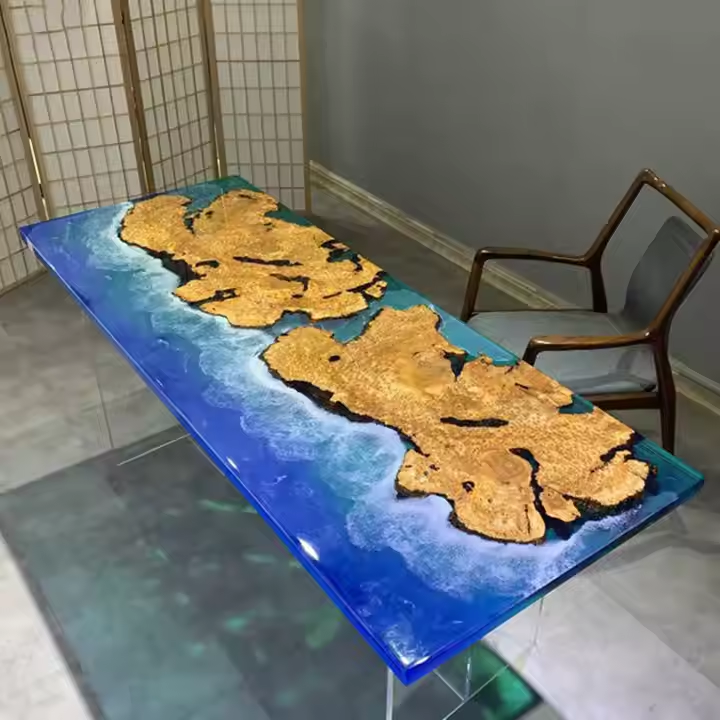
River tables are iconic in epoxy resin design, featuring a “river” of colored resin that flows through the wood. These tables make excellent dining centerpieces, blending natural wood grain with vibrant resin colors that reflect light and add depth.

  • Style Tip: Choose a river table with resin colors that complement your dining room color scheme, or go for clear resin to highlight the wood’s natural beauty.

2. Epoxy Resin Coffee Tables

Epoxy resin coffee tables are available in a variety of styles—from bold, artistic designs to minimalistic ones with clear resin finishes. These pieces add elegance to any living room.

  • Style Tip: Place your coffee table near natural light sources to enhance the resin’s reflective properties.

3. Epoxy Resin Countertops

Epoxy resin countertops bring durability and elegance into kitchens and bathrooms. They’re stain-resistant, easy to clean, and available in endless color options.

  • Style Tip: For a classic look, go with marble-inspired epoxy resin designs, or opt for bold, custom colors to make a unique statement in your kitchen.

4. Wall-Mounted Epoxy Shelving

Wall-mounted epoxy shelves are functional and stylish, adding a modern twist to traditional shelving. Using epoxy resin, you can incorporate unique shapes, colors, and even embedded materials.

  • Style Tip: Use these shelves to display plants, decorative objects, or books for an eclectic, sophisticated look.

5. Epoxy Resin Bar Stools

Give your home bar or kitchen counter a stylish upgrade with epoxy resin bar stools. These stools combine comfortable seating with the stunning visuals of epoxy resin, often layered over wood or metal frames.

  • Style Tip: Mix and match bar stools with resin patterns to add a playful, artistic touch to your space.

6. Epoxy Resin Bedside Tables

Bedside tables with epoxy resin tops are a subtle way to incorporate this unique material into your bedroom. Whether you prefer natural wood with a hint of resin or a more intricate design, these tables offer both functionality and style.

  • Style Tip: Select resin colors that coordinate with your bed linens or wall colors for a cohesive bedroom look.

7. Epoxy Resin Desks

Transform your workspace with an epoxy resin desk that reflects your style. The resin’s durability makes it perfect for daily use, and the endless color choices make each desk truly unique.

  • Style Tip: Go for calm, neutral colors in the resin to create a workspace that’s both inspiring and soothing.

8. Custom Resin Coasters and Side Tables

For a subtle touch of epoxy, consider custom resin coasters or a small side table. These smaller items provide a hint of luxury and make excellent conversation starters.

  • Style Tip: Match the resin color of your coasters or side table to your room’s accent colors for a harmonious look.

9. Epoxy Resin Console Tables

Console tables with epoxy resin tops are ideal for entryways and hallways. They offer a splash of color and elegance to spaces that often go overlooked.

  • Style Tip: Pair your console table with a decorative mirror or artwork to create an eye-catching entryway vignette.

10. Epoxy Resin Dining Chairs

Epoxy dining chairs bring elegance and comfort to your dining room. The epoxy finish can cover the backrests, armrests, or seat surfaces, giving them a unique, high-end appeal.

  • Style Tip: Choose chairs with complementary resin colors to your dining table or go bold with contrasting hues for a vibrant effect.

Where to Find Custom Epoxy Furniture

At Allepoxy, we create custom epoxy furniture tailored to fit any design vision. Whether you’re interested in commissioning a custom piece or exploring our collection of ready-made furniture, Allepoxy is here to guide you. When selecting epoxy furniture, consider the color palette, shape, and purpose of the piece in your home. Also, think about the lighting in the room, as resin’s reflective properties can create beautiful effects.

Tips for Choosing the Perfect Epoxy Piece

  1. Match Your Style: If you prefer a minimalist look, opt for neutral resin shades with subtle grain details. For a bolder statement, choose colorful, complex resin designs.
  2. Balance Function and Art: Epoxy furniture is both durable and beautiful, making it perfect for functional spaces like kitchens or living rooms.
  3. Focus on Lighting: Position epoxy pieces near windows or lighting to emphasize the resin’s sheen and colors.

Epoxy resin furniture is a fantastic way to bring art and utility together. Whether you’re adding a single piece or redecorating your entire space, Allepoxy offers the quality and creativity to make every room stand out.

4o
Caring for Your Epoxy Resin Furniture: Dos and Don’ts for Lasting Beauty

Epoxy resin furniture adds a unique, artistic touch to any room, blending the warmth of wood with the sleek, glassy finish of epoxy. While it’s relatively durable, epoxy furniture requires specific care to maintain its glossy beauty and longevity. Here’s a complete guide on the dos and don’ts of caring for your epoxy resin pieces, tips for preventing damage, and advice on how to keep them looking their best for years to come.


Dos and Don’ts of Cleaning Epoxy Resin Surfaces

Do:

  1. Use Mild Cleaning Products: Epoxy resin surfaces are sensitive to harsh chemicals that can dull or damage the surface. Use gentle cleaners, like a diluted solution of mild dish soap and warm water, for regular cleaning.
  2. Use Soft Cloths or Sponges: Soft microfiber cloths or non-abrasive sponges are best for wiping down epoxy surfaces. This will help avoid any scratching or micro-abrasions on the surface, preserving the glossy finish.
  3. Dust Regularly: Dust can build up and become abrasive over time, especially on highly polished epoxy surfaces. Use a soft, dry microfiber cloth to remove dust daily or weekly, depending on how often the furniture is used.

Don’t:

  1. Avoid Harsh Chemicals: Avoid using bleach, ammonia, or other harsh chemicals on epoxy surfaces, as they can cause discoloration and degrade the resin.
  2. Skip the Rough Scrubbing: Steel wool, scrub brushes, and other abrasive materials can scratch and dull the epoxy. Always stick with soft cloths and sponges.
  3. Don’t Let Water Sit: Although epoxy is water-resistant, it’s best not to let water or other liquids sit on the surface for extended periods. Wipe up spills quickly to avoid any potential staining or water spots.

How to Prevent Scratches, Dents, and Discoloration

Epoxy resin may be durable, but it’s not entirely scratch-proof. Taking preventive measures can help maintain its flawless finish:

  1. Use Coasters and Placemats: Coasters, placemats, and trivets protect epoxy surfaces from hot dishes, drinks, and heavy items that could dent or discolor the resin. Since resin can soften under extreme heat, it’s essential to avoid placing hot pots or pans directly on the surface.
  2. Place Pads on Furniture Legs: If you have epoxy furniture like a coffee table, add felt or rubber pads to the bottoms of chairs or other furniture to avoid accidental scratches.
  3. Avoid Direct Sunlight: Prolonged exposure to UV rays can cause some epoxy finishes to yellow over time. While most modern epoxy formulas are UV-resistant, placing your furniture out of direct sunlight or using window treatments can help prevent fading or discoloration.
  4. Keep Sharp Objects Away: Avoid using sharp objects like knives directly on the epoxy surface. Consider using a cutting board instead if your epoxy surface is in a kitchen or dining area.

Tips on Refreshing Epoxy’s Shine and Repairing Minor Damages

Over time, your epoxy resin furniture might start to lose its initial shine due to minor scratches or wear. Here’s how to bring back that fresh-out-of-the-shop look:

  1. Polishing for Extra Shine: For minor scratches, you can polish epoxy with a polishing compound or automotive wax. Apply a small amount to a soft cloth and buff it in circular motions to regain a smooth, glossy surface.
  2. Use Epoxy Repair Kits: Small chips or cracks can be filled with epoxy repair kits available at most hardware stores. These kits usually contain epoxy fillers that, once cured, seamlessly blend with your existing finish. Be sure to follow the instructions for the best results.
  3. Sand and Buff for Major Scratches: For deeper scratches or dull spots, use fine-grit sandpaper (800-1200 grit) to sand the damaged area lightly. After sanding, buff with a polishing compound to restore the shine. However, this is best done by someone experienced with sanding and polishing epoxy, as it requires precision.

Recommended Cleaning Products and Maintenance Tips

To maintain the quality and beauty of your epoxy furniture, choose your cleaning products wisely. Here are some trusted products and tips for ongoing care:

  • Mild Dish Soap: A few drops of dish soap in warm water can effectively clean without damaging the surface.
  • Microfiber Cloths: These are ideal for dusting and wiping down epoxy surfaces without scratching or leaving lint.
  • Polishing Compounds: A car or furniture polish with a soft cloth can revive glossiness. Some even offer UV protection, which is an added bonus for epoxy furniture exposed to sunlight.
  • Furniture Wax: A high-quality furniture wax can add a protective layer to epoxy, repelling dust and dirt while adding shine. Apply sparingly and buff gently for the best results.

Simple Ways to Keep Your Epoxy Furniture Vibrant

  1. Dust Frequently: Regular dusting prevents buildup that can scratch the resin when wiped.
  2. Use Covers When Not in Use: If your epoxy furniture is outside or in an area prone to dust, cover it with a cloth or furniture cover to protect the surface.
  3. Touch-Up Regularly: Small scratches or minor dullness are easier to fix if addressed right away. Regular touch-ups with a polishing cloth can help maintain a consistent shine.

By following these tips and taking a proactive approach to care, your epoxy resin furniture will stay as eye-catching and vibrant as the day it was crafted.

The Rise of Epoxy Resin in Furniture Design: A Complete Guide for Beginners

Epoxy resin has transformed from an industrial material into a designer’s dream, especially when it comes to creating stunning, modern furniture pieces. With its glass-like finish, vibrant colors, and versatility, epoxy resin has gained traction as one of the most popular materials in contemporary furniture design. For beginners curious about its appeal, this guide will walk you through everything you need to know about epoxy resin in furniture—why it’s loved, how it became popular, and what to consider when working with it.

What is Epoxy Resin?

Epoxy resin is a synthetic compound that, when mixed with a hardening agent, cures to form a rigid, durable, and waterproof surface. This material was originally developed for industrial applications, used in everything from adhesive bonding to protective coatings. However, designers quickly realized its potential as a creative medium for crafting beautiful furniture, especially for eye-catching tables and countertops. In furniture design, epoxy resin often combines with wood to create intricate patterns, vibrant colors, and a glass-like finish that sets it apart from traditional materials.

A Brief History of Epoxy Resin in Furniture Design

Epoxy resin’s popularity in furniture design took off in the late 20th century when artisans and DIY enthusiasts began experimenting with the material. What started with small-scale art projects and countertops soon evolved into the “river table” craze—a style where epoxy resin mimics the look of a flowing river between slabs of wood. Social media and online tutorials helped popularize these stunning pieces, showcasing the limitless creativity that epoxy resin allows.

As woodworking communities adopted epoxy, furniture makers started experimenting with embedding natural elements like stones, leaves, and shells, further amplifying the allure of this unique material. Today, epoxy resin has found its way into countless furniture items, from coffee tables and dining tables to shelves and home décor.


Why Epoxy is Perfect for Tables, Countertops, and Décor

The qualities of epoxy resin make it ideal for various furniture applications:

  1. Durability: Epoxy resin cures to a hard, impact-resistant finish that can withstand everyday wear and tear, making it ideal for high-use surfaces like tables and countertops.
  2. Aesthetic Versatility: With the ability to add pigments, metallic powders, and other decorative elements, epoxy resin can create stunning visual effects. Its glass-like transparency also enhances natural materials, like wood grain, creating unique, eye-catching designs.
  3. Water and Heat Resistance: When properly cured, epoxy resin is resistant to water, moisture, and heat, adding functionality to its aesthetic appeal. This makes it suitable for kitchen countertops, bathroom vanities, and even outdoor furniture.
  4. Seamless Finishing: The liquid form of epoxy allows it to fill gaps and imperfections in the wood, resulting in a smooth, seamless surface that is both practical and beautiful.

Benefits and Considerations of Using Epoxy Resin in Furniture

Epoxy resin furniture design has unique advantages, but there are also factors to consider, especially for beginners.

Benefits:

  • Customization: Epoxy resin allows an infinite range of color, texture, and design options. From vibrant pigments to embedded natural materials, the creative possibilities are almost limitless.
  • Enhanced Durability: Unlike some finishes that may chip or peel, epoxy forms a tough, long-lasting surface. This durability means your furniture can withstand years of use without losing its appeal.
  • Waterproofing and Sealing: Epoxy resin creates a watertight seal, making it an excellent choice for surfaces exposed to moisture. It also protects the wood beneath it from environmental damage.
  • Easy-to-Clean Surface: The smooth, non-porous nature of epoxy resin makes it easy to wipe clean, which is perfect for pieces like dining tables and kitchen countertops.

Considerations:

  • Complexity of Application: Working with epoxy can be tricky, especially for beginners. It requires precision in mixing ratios, temperature control, and curing times. However, with patience and practice, it’s a skill that can be learned.
  • Environmental Factors: Curing epoxy releases VOCs (volatile organic compounds), so it’s essential to work in a well-ventilated area and wear protective gear to avoid exposure.
  • Potential for Scratches: While epoxy is durable, it can still be scratched by sharp objects. It’s advisable to use coasters or trivets to prevent surface damage.
  • Cost: High-quality epoxy resin can be expensive, particularly for large pieces like tables or countertops. However, for the durability and unique aesthetic it offers, many consider it a worthwhile investment.

Epoxy Resin Trends in Modern Home Decor: Beyond the River Table

Epoxy resin has surged in popularity in recent years, particularly for the stunning “river table” design, where vivid resin flows between live-edge wood pieces to create a unique water-like effect. However, the versatility of epoxy extends far beyond river tables. Modern home decor has embraced epoxy in new ways, incorporating it into everything from countertops to wall art and even flooring. This article dives into some of the latest trends in epoxy resin decor and offers tips on combining epoxy with other materials to create stylish, one-of-a-kind pieces.

1. Color-Shifting Pigments: Adding a New Dimension to Epoxy

One of the most exciting trends in epoxy decor is the use of color-shifting pigments, which create a mesmerizing, multidimensional look. Color-shifting pigments change hues based on the viewing angle and lighting, adding a dynamic quality that transforms depending on the time of day and the room’s lighting. When applied to surfaces like tabletops, countertops, and wall art, these pigments bring a futuristic appeal and make a bold statement in any space.

  • Where to Use: Color-shifting pigments are perfect for statement pieces such as coffee tables or accent walls, where their unique visual impact can be fully appreciated.
  • Pro Tip: For a truly eye-catching effect, use color-shifting epoxy resin as a backsplash in the kitchen or bathroom. These spaces benefit from the vibrant colors and added light reflection, creating a stunning focal point.

2. Metallic Effects: Adding a Touch of Glamour

Metallic epoxy resin is another trend gaining traction in home decor, especially for those looking to add a touch of luxury. Metallic pigments, often infused with mica powder, create a shimmery, reflective finish that adds depth and sophistication to a piece. Metallic epoxy can be used to mimic precious metals like gold, silver, and bronze or to create a pearlescent, marble-like effect.

  • Where to Use: Metallic epoxy is especially popular for countertops and bar tops, offering a high-end look without the price tag associated with real marble or metal.
  • Pro Tip: Pair metallic epoxy with wood or concrete elements for a balanced contrast between rustic and modern design styles.

3. Embedded Objects: Turning Epoxy Into Art

Embedded objects in epoxy resin open up a world of creativity, allowing for personalized designs that are truly one-of-a-kind. Artists and designers have been embedding various objects like stones, seashells, flowers, and even photographs in resin furniture, creating a timeless “preserved in time” effect.

  • Where to Use: Embedding works beautifully in tabletops, bar tops, and wall art, as it allows for a unique, almost storytelling-like piece of decor.
  • Pro Tip: For a natural and earthy touch, consider using objects like moss, small pebbles, or dried flowers. For a more luxurious look, incorporate semi-precious stones or crystals. This approach lets you design a meaningful piece that reflects personal memories or passions.

4. Expanding Beyond Furniture: Epoxy in Wall Art, Countertops, and Floors

Epoxy’s versatility allows it to go beyond traditional furniture pieces, extending to wall art, countertops, and even floors. Epoxy wall art often uses fluid, abstract designs that can transform any wall into a focal point. On countertops, epoxy provides a highly durable and customizable surface, ideal for kitchens and bathrooms. Epoxy flooring is also gaining popularity for its seamless look and high durability, making it an excellent choice for modern homes.

  • Where to Use: Epoxy wall art can be used in living rooms or entryways as a bold accent. Countertops and floors are ideal for kitchens, bathrooms, or basements where high durability is essential.
  • Pro Tip: When using epoxy on floors, consider incorporating metallic pigments or color swirls for a marbled look that adds movement and character to the room.

5. Combining Epoxy with Other Materials: Concrete, Glass, and Steel

Epoxy pairs beautifully with other materials, creating contrasts that elevate the design and add depth. Concrete, glass, and steel are all popular materials that enhance the modern aesthetic when paired with epoxy resin. Concrete’s rough texture contrasts with the glossy, smooth finish of epoxy, creating a unique industrial look. Glass and steel also work well with epoxy, adding reflective surfaces and a modern feel.

  • Where to Use: Epoxy and concrete combinations are ideal for coffee tables or accent furniture in living rooms. Epoxy with steel and glass works wonderfully in dining tables, shelving, or statement desks for a sleek, contemporary look.
  • Pro Tip: When combining epoxy with concrete, use a natural or matte finish on the concrete to highlight the contrast between the two textures. For epoxy and steel, consider using cool tones like silver or gray to maintain a cohesive modern design.
Back to Top
Product has been added to your cart